Solo play can be a frustrating slog. You know the feeling, right? You jump into a game, but it’s like herding cats trying to find a solid team.
Many gamers struggle to build and maintain a group that actually performs.
This article dives into how to create the right gaming team for consistent success and enjoyment. I’ve spent years analyzing competitive gaming strategies and team dynamics. I promise to share takeaways from both the wins and the spectacular fails I’ve observed.
Building a cohesive team isn’t just about gathering random players. It’s about understanding the ‘how’ and ‘why’ behind it. Sure, it can feel like trying to manage a group of emotionally volatile cats.
But trust me, there’s a method to this madness.
By the end, you’ll have the tools to forge a killer team that plays well together and takes on the competition. Let’s get started.
Beyond Skill: Building the Right Gaming Team
When it comes to gaming, everyone thinks the best team is just a bunch of top players thrown together. Wrong. It’s not about individual prowess.
It’s about combo. Imagine a well-oiled machine versus supercars smashing into each other. Which one wins?
Yeah, you know the answer.
An “optimal” team isn’t just about who’s got the highest kill count. It’s about smooth communication, a shared strategic vision, and adaptability. You need players who can trust each other and adapt under pressure.
Think about it. Esports teams that dominate don’t just rely on mechanical skill. They prioritize cohesion and mental fortitude.
Does that mean skills don’t matter? Of course not. But cohesion can turn a good team into a great one.
It’s like having a band where everyone knows their part, and together they create magic. Shared goals like winning, improving, and having fun are the glue.
Complementary skills matter too. One player might be a sniper, another a tactician. Together, they cover all bases.
A positive team culture fosters growth and resilience. So, before you assemble your next lineup, ask yourself: Is this the right gaming team? Because sometimes, the sum is truly greater than its parts.
The Gaming Formula: Roles and Team Dynamics
Let’s talk about the right gaming team. You know what I’m talking about: the kind that operates like a well-oiled machine. In every game, whether it’s an FPS, MOBA, or RPG, roles matter.
We’ve got the initiator (that) brave soul who rushes in first. They set the pace. Without them, the team flounders.
But what good is an initiator without a solid damage dealer to back them up? They need someone who can finish what they started (or at least make the enemy regret starting it).
Then there’s the support role. These are the unsung heroes. Healers, shield-bearers, you name it.
They keep everyone else alive, which is kind of important if you ask me. But here’s the kicker: every team needs a flex player. This person is like duct tape: versatile, dependable, and always there in a pinch.
They adapt to fill gaps, counter opponents, or switch strategies on the fly.
Why is this so key? Because when roles aren’t clear (or) people ignore them. You end up with three snipers in a tight map.
It’s a disaster waiting to happen. Statistically, teams that analyze and adjust their roles win more games. This isn’t just my opinion; it’s backed by navigating competitive space data.
So, is your team ready? Or are you still running around with three healers in a dungeon crawler? Trust me, getting these roles right changes everything.
It’s like finding the cheat code to better gameplay.
The Nerve Center: Winning With Communication
In the chaos of gaming, communication is everything. It’s like the nerve center of a team. We start with pre-game plan where we cook up plans.
We strategize, map out roles, and imagine glory. But let’s not kid ourselves. It’s in-game tactical calls that separate winners from those blaming lag.
The best calls are clear, concise, and timely. Imagine this: “Enemy low, B site, pushing now!” versus “Uh, someone’s over there…” Which one would you follow? Exactly.
The shot-caller is the unsung hero (or villain) of this show. They lead, they decide, and sometimes, they yell. Developing good shot-calling can be a rotating role, but it’s key.
Ever been in a game where everyone thought someone else was covering an area? Yeah, me too. That “I thought YOU had it!” moment is tragic.
And hilarious.
Post-game analysis, though often overlooked, is where we learn. We dissect, we laugh, and sometimes, we cry. Studies show teams with structured communication outperform those drowning in noise.
It’s like having a cheat code for teamwork. Curious about what it takes to cultivate a pro gamer mindset? It starts here.
The right gaming team knows the power of communication. It’s not just about winning (it’s) about winning well. So, the next time you game, think about your nerve center.
Because when it comes down to it, words win wars.
From Drills to Domination: Building Chemistry and Strategic
So you want to build the perfect gaming team? Stop pretending eight hours of ranked queue is practice. Spoiler alert: it’s not.
Structured practice is where the magic happens. Start with warm-ups to loosen those stiff fingers. Think aiming drills, map awareness, ability combos.
Dump the lone wolf mindset. Scrimmage against other teams to see how your strategies hold up under pressure.
Ever heard of VOD (Video On Demand) review? It’s like watching game tape in sports. You can see where you goofed without the blame game.
Identifying mistakes while sipping on your favorite drink (or crying, your choice) helps to improve without the drama. Wins are great, but losses teach you more if you let them.
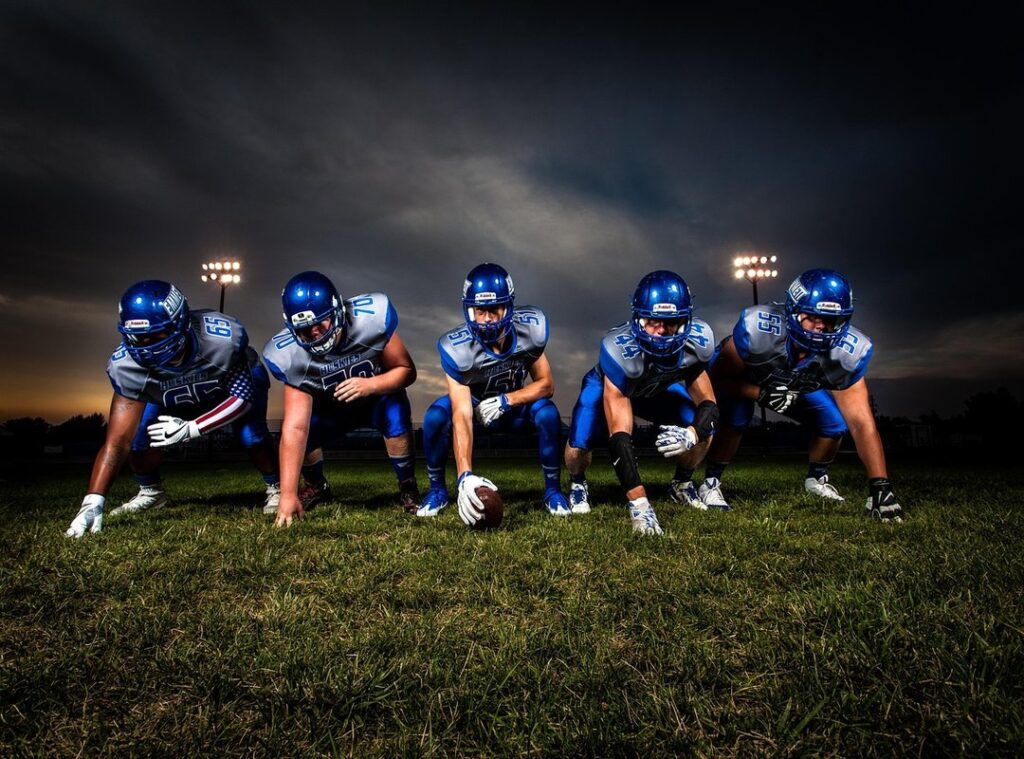
Now, let’s get strategic. Develop team-specific strategies, your own “playbooks” for different scenarios. You know, like calling plays in football.
This makes you proactive, not just reacting to whatever chaos the other team throws your way. It’s like chess but with more shouting.
Data backs me up here. Consistent, targeted practice and post-game analysis are the true drivers of improvement. Not just grinding.
It’s the difference between being a good team and the right gaming team.
Here’s a pro tip: Think outside the box. Or maybe just get a bigger box. Your playbook should evolve.
If it doesn’t, your team won’t either.
The Human Element: Thriving Amidst Chaos
Let’s face it, even the right gaming team isn’t impervious to squabbles and fatigue. It’s key to set clear expectations for behavior and communication to ward off toxicity. Ever feel like rage quitting? (Don’t worry, I have.) Instead, take breaks, focus on improvement, and celebrate those tiny wins.
Because, after all, a team isn’t just about winning. It’s about the journey. Growing together, forging resilience, and building mutual respect make it worth it.
Those are the real victories. So, next time conflict arises, remember you’re in it for the long haul.
Boost Your Team, Boost Your Game
You’ve got the blueprint to build the right gaming team. No more frustration from uncoordinated play.
Focus on combo, communication, and structured practice. These aren’t just buzzwords; they transform your gaming experience.
Now it’s time to act. Talk to your teammates. Apply these principles.
Forge that optimal squad you’ve been dreaming about.
Are you ready to dominate the digital arena?
Start today and watch your wins stack up. It’s about teamwork, plan, and a shared vision. Don’t wait.
Get out there and crush it. Your best gaming experience is just a conversation away.
 Senior Game Analyst & Strategy Specialist
cozywidget20 brings depth and precision to Elmag Players through her analytical approach to gaming. She focuses on competitive strategies, mechanics breakdowns, and genre exploration. Her insights help readers understand both casual and high-level gameplay. cozywidget20 has a strong foundation in game design theory and player behavior. She contributes to detailed reviews and strategic guides. Her work supports the platform’s mission of delivering valuable gaming knowledge. Dedicated and detail-oriented, she ensures accuracy and relevance in every analysis.
Senior Game Analyst & Strategy Specialist
cozywidget20 brings depth and precision to Elmag Players through her analytical approach to gaming. She focuses on competitive strategies, mechanics breakdowns, and genre exploration. Her insights help readers understand both casual and high-level gameplay. cozywidget20 has a strong foundation in game design theory and player behavior. She contributes to detailed reviews and strategic guides. Her work supports the platform’s mission of delivering valuable gaming knowledge. Dedicated and detail-oriented, she ensures accuracy and relevance in every analysis.